
Start by giving each crewmate a main responsibility, agree who covers urgent jobs, and announce whenever you leave your post. In S.O.N.A.R. – Submarine Operators Not Actually Ready, up to four players share a submarine with 10 stations. A little organisation goes a long way. Especially when your usual approach to teamwork is shouting somebody’s name until they fix the problem.
This co-op submarine game rewards a crew that shares information and adapts. Here’s a suggested way to organise your friends before your first mission becomes a swimming lesson.
Four players, ten stations: share the workload
With more stations than crew members, you’ll need to think beyond choosing one job and defending it for the entire evening.
Before setting off, discuss who will handle movement, who will watch for threats, and who will respond when something breaks. Then agree how you’ll cover the other tasks as they arise.
Treat the following assignments as a starting arrangement for your group, rather than official character classes. Adjust them as you learn the submarine and discover everyone’s strengths.
Your friend who claims to be excellent at everything may require a longer assessment period.
One player keeps the submarine on course
Give one crewmate primary responsibility for navigation and coordinating diving duties. Their focus should be understanding where the crew wants to go and communicating what they need to get there.
Choose someone who listens.
That sounds obvious, but every group has a potential captain whose leadership experience consists of talking over everyone else. Enthusiasm is welcome. Taking useful information from the sonar operator is considerably more helpful.
Before changing plans, tell the crew. If another player needs to take over, make the handover explicit. “Can you cover navigation?” deserves an answer before you walk away.
Silence is a terrible substitute for confirmation.
One player builds the picture outside
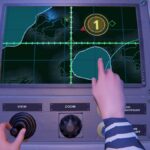
Ask another crewmate to prioritise sonar and coordinate observation duties, including the periscope when needed. S.O.N.A.R. features threats to track and missions involving combat, stealth, and treasure recovery, so information matters.
The useful habit here is reporting what you know clearly.
Tell your friends what you’ve noticed and explain what needs their attention. Give the person handling movement time to respond. If you’re unsure about something, say so.
There’s a difference between spotting a problem and announcing “we’re doomed” with confidence. One helps the crew make a decision. The other mainly improves the atmosphere for whoever is recording your session.
One player prioritises engineering and repairs
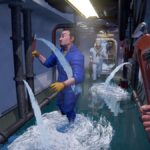
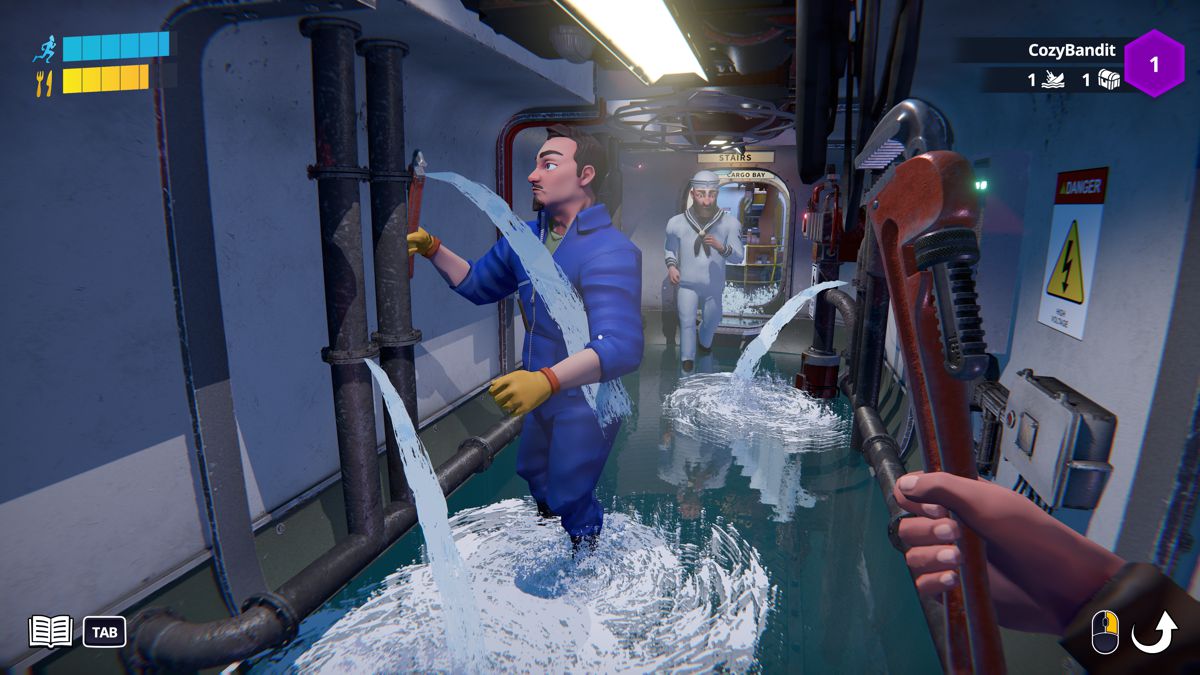
Nominate someone to keep engineering and damage control high on their list. Fires, flooding, and malfunctions can demand attention while everyone else is busy with the mission.
This person should also be comfortable asking for help.
Making repairs someone’s main responsibility doesn’t mean leaving them to handle every emergency alone. Agree beforehand how they’ll call another crewmate over, and who will cover any abandoned duties.
Try being specific: explain the problem, where help is needed, and whether you can manage it yourself.
Save the investigation into who caused the damage for afterwards. Your submarine will gain little from a courtroom speech delivered beside an unresolved leak.
Your fourth player helps where needed
For a full crew, consider giving the fourth player a flexible support brief: help with combat tasks, cover another station, load torpedoes or assist with repairs according to the situation.
Flexible certainly doesn’t mean unemployed.
The important part is making their next job clear. Otherwise, you risk three people assuming help is coming while the fourth assumes everything is under control.
With two or three players, combine responsibilities and agree on immediate priorities more often. Keep talking when you switch tasks. A smaller crew benefits from knowing exactly what everyone is currently doing.
Make communication part of the job
S.O.N.A.R. includes proximity voice chat, giving your crew a way to exchange warnings and coordinate aboard the submarine.
Use short calls when things get busy. Name the person you need. Acknowledge requests. Tell someone before leaving a responsibility uncovered.
Between missions, compare notes and swap assignments. Understanding a friend’s workload makes you much less likely to ask why they haven’t done three things simultaneously.
It also gives them an opportunity to watch you try.
Practise together in the free Steam demo
The free S.O.N.A.R. demo includes a single-player tutorial and two cooperative missions. Start with the tutorial, then use your first outing together to practise dividing responsibilities.
Keep the plan simple. Pick your main jobs, agree who helps whom, and review what happened afterwards.
Download the demo on Steam and find out how your crew works under pressure. If you’re ready for more, wishlist S.O.N.A.R. ahead of its October 29, 2026 release.
Many stations. Your friends. Plenty to do.